
Some challenges this technology solves
Realising the Potential for Re-use or Re-sale
Operators of the platforms are generally making no financial return on decommissioning. So….
Is there an effective way to turn these challenges into opportunities?
The Digital North Sea will identify facilities that are coming out of service and quickly realise any potential for re-use.
By creating a digital copy of both topsides and subsea facilities, in a real time visual, inventories can be accessed showing status, condition, age, criticality and risk. By using these inventories, we can quickly establish the viability for re-use and, given enough time to market, these opportunities can be shared.
Options may include Platforms being stripped of existing processes whilst retaining primary steel, decks, cranes, helidecks, safety systems, communications and living quarters, and be repurposed. Individual packages could be sold on and we could even get down to the ‘pooling’ of spares.
Competitive Tendering
Having access to a digital application that links operators to the supply chain, to share information and promote a competitive tendering process – can increase the opportunities for a circular economy.
Data; Availability and Quality
Planning for late life and decommissioning, should have data management on the critical path.
Knowing what data you need, and planning to have that data available is critical to the productivity of the Decommissioning Team. The data needed to manage late life and decommissioning is a different mix to the metrics we use during production.
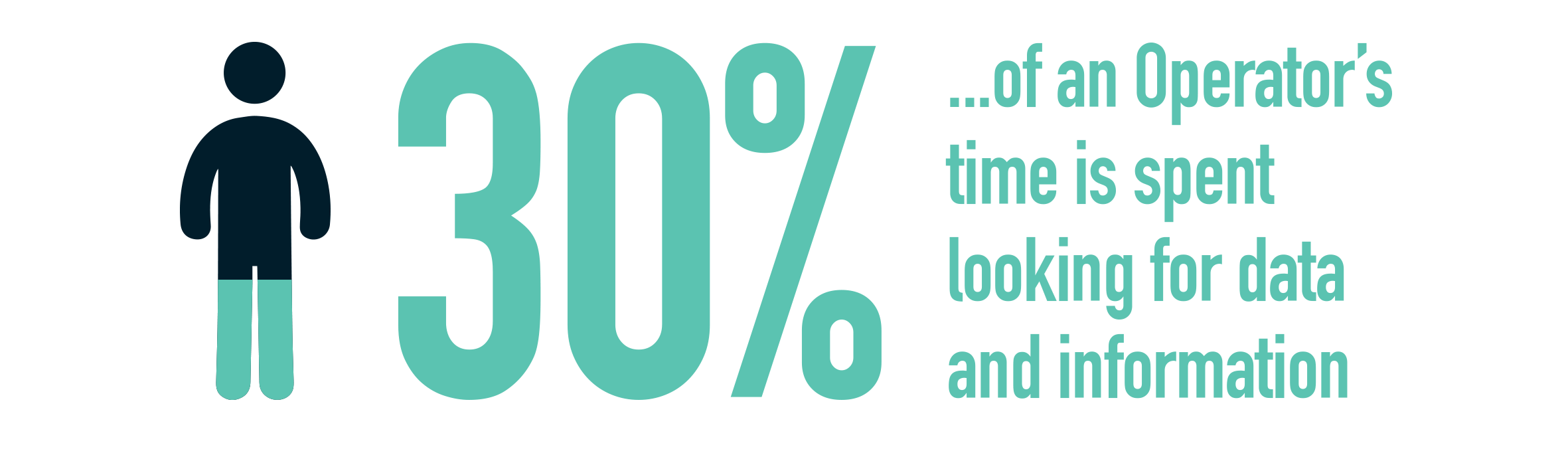
The keys to successful data management are:
Knowing what to collect and how to collect it
Data availability
Data quality
The main challenges related to data:
Gathering and sharing data with other project stakeholders
Being able to query and update data (e.g. maintenance history, replacements, modifications, etc.) currently stored on a variety of databases and software tools.
Providing optimised maintenance and decommissioning programs
We have identified key data requirements:
Status
Condition
Age
Risk
Criticality
Attributes and Metadata
Once compiled they will dictate our late life maintenance regime and also allow for Well Plug & Abandonment planning.
If we plan to look at re-use options, we can further data mine into
Running hours
Breakdowns
Specifications
Redundancies
Manufacturers
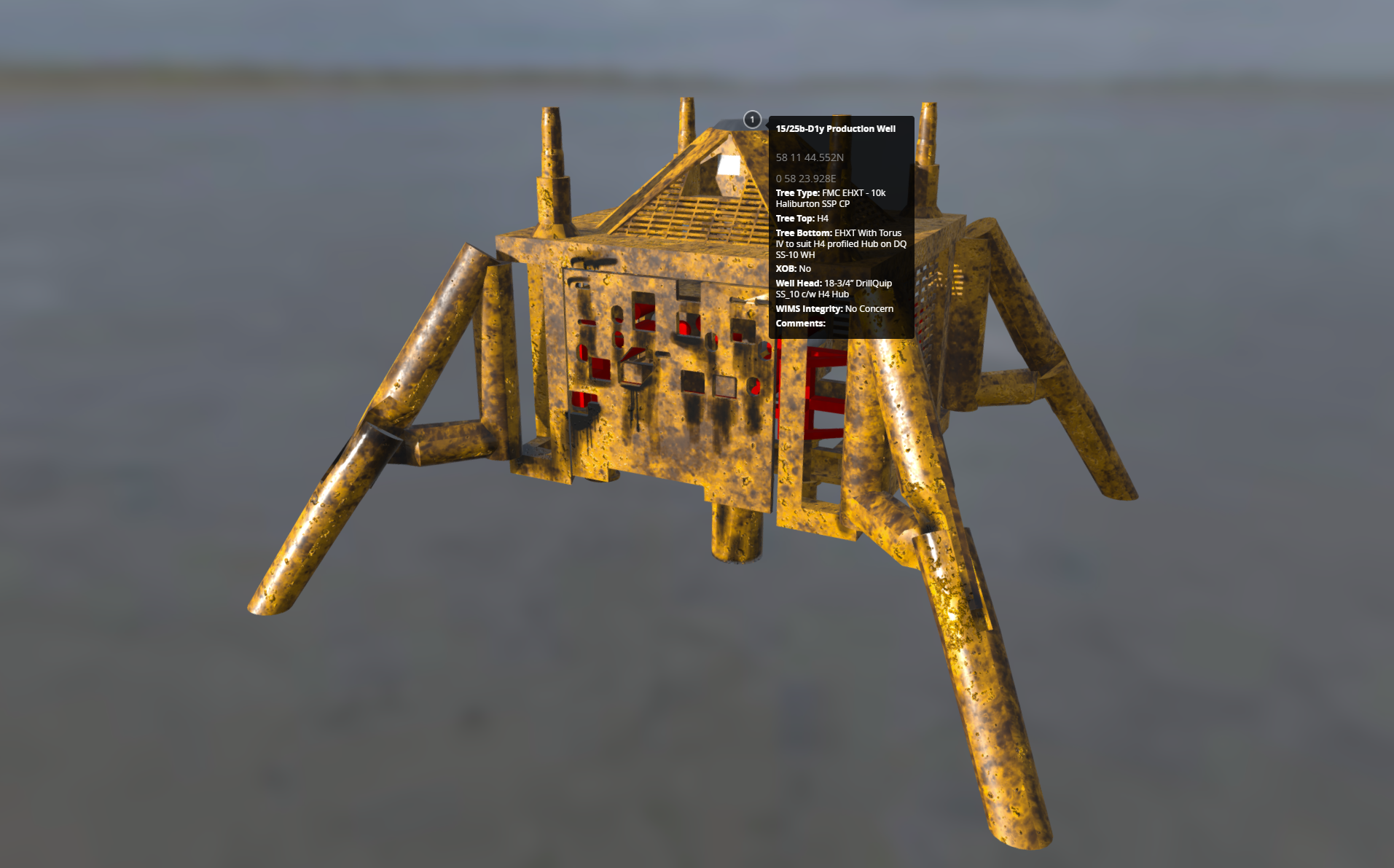
Having access to a centralised database, will allow management and regulators to build a strategy based on the outputs the data will give. Having the right data to hand when you need it is imperative.
Given the diversity of existing software, together with the varying accuracy and reliability of data, it is essential that any new or innovative product has the ability to cater for all stakeholders whilst drawing from and utilising different data sources